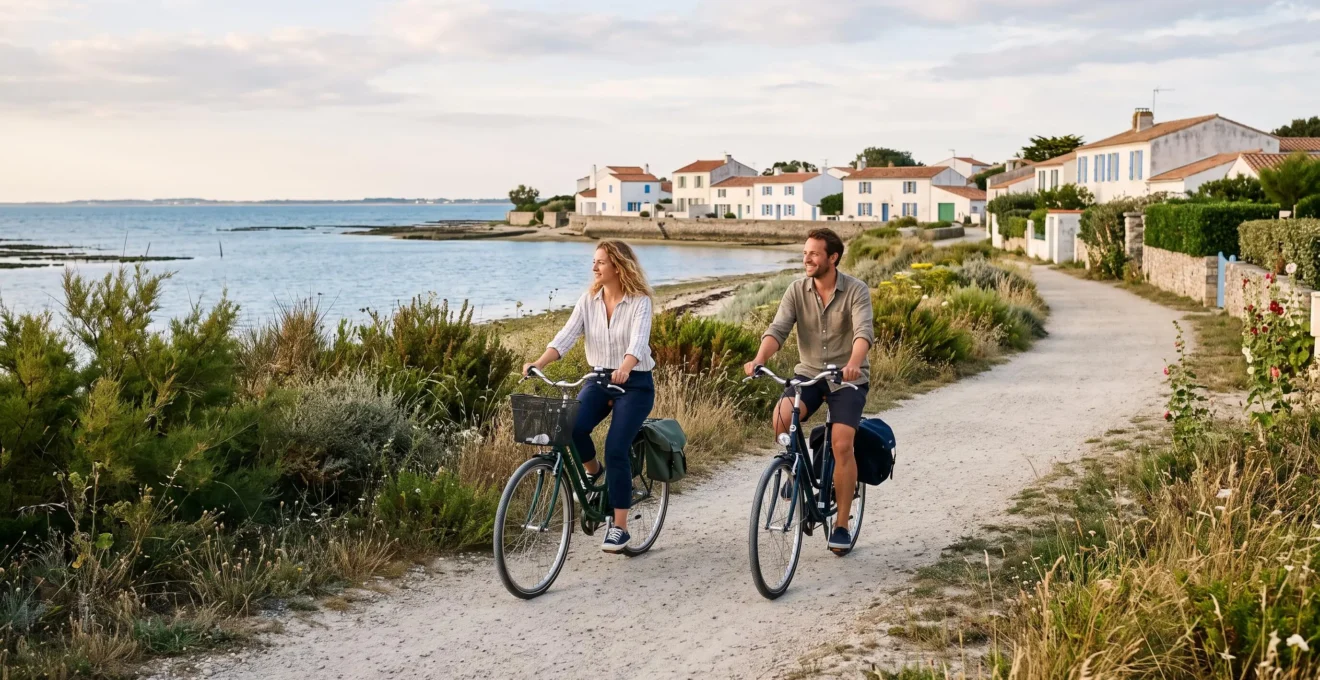
Direct answer: To spend one week on Île de Ré without feeling rushed, base yourself in one well-placed village, plan your days by area (west coast, ports, salt marshes, north beaches), and use the bike for most outings—keeping one or two “light” days for beaches and slow mornings.
This itinerary is built for first-time visitors who want a calm rhythm: cycle in the morning, explore a village around lunchtime, then keep afternoons flexible for the beach, markets, or simply doing nothing. You won’t “do everything” in seven days—and that’s exactly why it works.
Your week plan at a glance (realistic pace)
- Pick one base village and minimise back-and-forth rides.
- Use the bike as your default; keep a car as a backup, not a plan.
- Alternate “ride & explore” days with slower beach/nature days.
Why Spend One Week on Île de Ré?
A weekend on Île de Ré usually turns into a checklist: one “pretty port”, one beach, one cycle ride—then you’re already leaving. A week gives you what the island is best at: a slower rhythm where villages, beaches, and nature fit together without constant packing, driving, and rushing.
In practice, seven days is the sweet spot for an itinerary that groups places by area: you can explore the west coast villages on consecutive days, then switch to salt marsh landscapes and calmer rides, and still keep time for long lunches or an unplanned beach stop.
Set your expectations: a week can cover the island’s main atmospheres (ports, dunes and beaches, salt marshes, village lanes) but it won’t be exhaustive. Think “one good loop per day”, not “all ten villages in one trip”.
Reality check for peak season: in summer, Île de Ré gets much busier—France 3 Nouvelle-Aquitaine reports an estimated population of about 180,000 people in summer versus roughly ten times less the rest of the year—so building in downtime isn’t optional, it’s how you avoid stress.
When to Go and How to Get There
If you’re asking “when is the best time to visit Île de Ré”, the most useful answer is this: choose your week based on the kind of days you want. High season means long, lively days and fuller roads; shoulder months feel calmer and make cycling and village-hopping easier.
Getting there is straightforward: the island is connected to the mainland by the bridge, and access includes a toll for vehicles. Since January 2025, the Département de la Charente-Maritime publishes seasonal round-trip pricing for light vehicles on its page about tarifs du péage du pont: 4 € (low season), 8 € (mid season) and 16 € (high season), with the exact seasonal dates specified by the authority.
Once you’re on the island, the bike is the default mode for most visitors: it’s flat, scenic, and it keeps parking out of your day plan. If you don’t want to bring your own, you’ll still find options locally—Destination Île de Ré (the official tourist office) states that there are bike hire points in all ten villages, via multiple providers, on its page about location de vélos sur l’île.
Do you need a car or is a bike enough? For a classic one-week stay, a bike can cover most days—especially if you stay near village centres and plan by zone. A car becomes helpful if you’re travelling with very young kids, carrying lots of beach gear, or arriving with tight changeover times (especially in peak season traffic).
- Decide your “busy vs calm” tolerance
If you love a lively atmosphere and late sunsets, go in high season—just accept you’ll book earlier and ride at off-peak hours. If you want space on cycle paths and easier restaurant bookings, aim for shoulder periods.
- Plan bridge timing like a real constraint
On changeover days, build buffer time for the bridge and the first parking decision (drop bags, then switch to bikes).
- Reserve bikes early if you rely on them
In peak weeks, treat bike hire like accommodation: part of your “must-book” list, not an afterthought.
Where to Stay: Villages, Rentals and Practical Choices
Which village should you base yourself in for a week? Pick the one that matches your daily rhythm: do you want port life in the evening, quick beach access, or a quieter village feel? The best base is the one that keeps your “everyday needs” (bakery, market, bike shop, dinner options) within easy cycling distance.
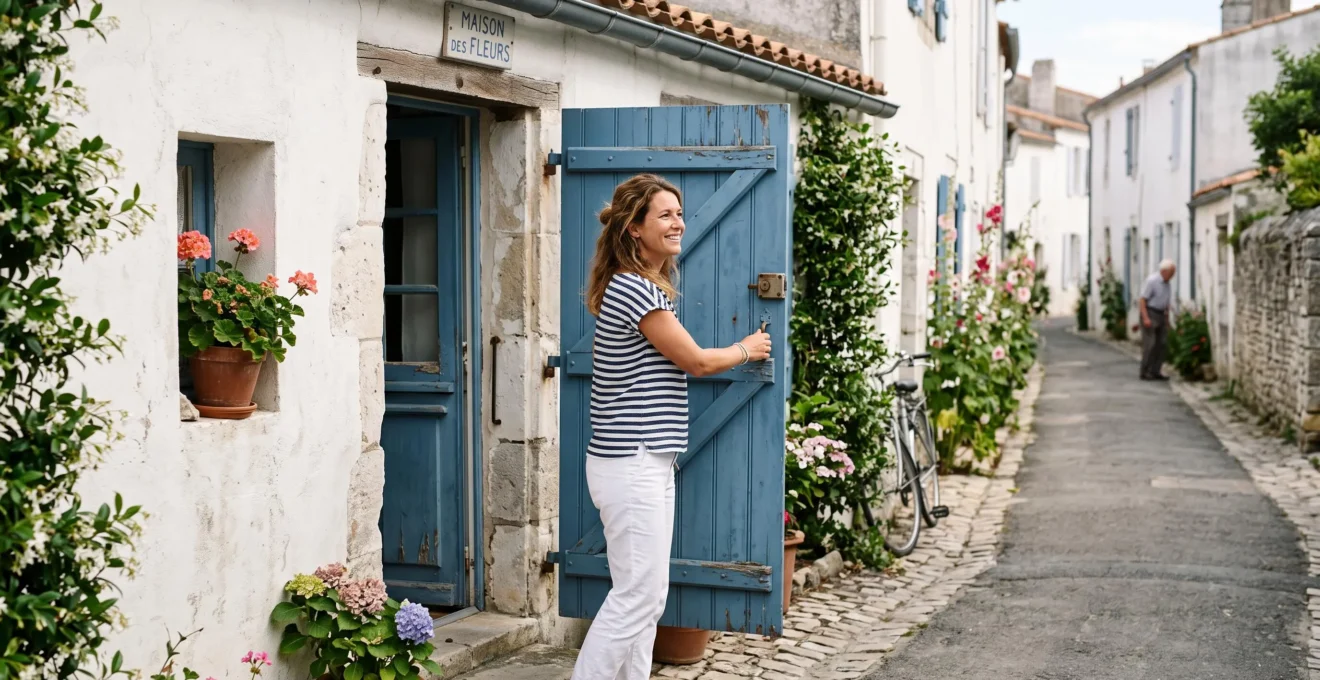
For seven days, many travellers prefer a self-catering base (house or apartment) because it supports a flexible schedule: market mornings, picnic lunches, and evenings at your own pace. If you’re weighing up that option, this overview on holiday house rentals can help you think through the practical pros and cons before you book.
Here’s the decision logic I use locally: prioritise convenience over “the perfect view”. Being able to pop back to the rental between a ride and the beach (for showers, naps, or snacks) changes the whole feel of the week.
- If you want evening buzz and easy restaurants:
Base yourself near a port village so you can finish rides, park the bike, and walk to dinner without planning.
- If you want beach-first days and early nights:
Choose a village with quick access to the coast, and plan one or two “port evenings” as outings rather than your daily default.
- If you want to minimise logistics with kids:
Stay near shops and a central area, so you can change plans fast if the day goes sideways (wind, tired legs, missed naps).
Two quick, concrete examples (hypothetical, but realistic). A family with small children often enjoys a calmer base where beach time is the main event, with short rides and predictable routines. A couple travelling light may prefer a busier spot with a harbour atmosphere, then cycle out to beaches and marshes during the day.
A Day-by-Day Itinerary for Your Week
This is a realistic one-week Île de Ré itinerary for first-time visitors built around geography. The goal is to avoid zig-zagging across the island: each day has a “main zone”, a natural lunch/coffee village stop, and a flexible afternoon.
I’m not giving exact kilometre counts or cycling times here, because the Source Pack provided doesn’t include official distance tables. Use the structure below, then confirm distances on an official map or your preferred navigation app before you lock anything in—especially if you’re travelling with kids or non-cyclists.
Day 1: Arrive, settle in, and do a short “orientation ride”
Make your first day deliberately small. After check-in, do a gentle cycle loop near your base village: find the nearest bakery, a safe route to the beach, and where you’ll lock bikes. The win today is confidence, not kilometres.
If you arrived by car, treat the car as “parked for the week” as soon as you can. Switching mindset early makes the rest of the itinerary smoother.
Day 2: West coast beaches in the morning, village lanes at lunchtime
Plan a beach-first morning while you’ve got energy and good light. Pack towels and water, cycle out, and keep the return flexible. Midday, aim for a village stop for lunch and a slow walk through the lanes—this is where Île de Ré really sinks in.
Afternoon is your buffer: if it’s windy, swap the beach for a café and a short ride; if it’s perfect, stay put and read.
Day 3: Port atmosphere day (market, harbour, sunset walk)
Use day 3 for your “port day”: arrive earlier, stroll the market if it’s on, then take your time around the harbour. Keep the ride itself easy and give yourself a longer lunch window.
This is also a great day to browse for picnic supplies so you don’t have to think about lunch every day.
Day 4: A slower nature day—salt marsh mood and a long pause
By now, your legs will appreciate a calmer day. Head towards the salt marsh landscapes, stop often, and treat it like a “look and breathe” ride rather than a sporty one. Bring a layer: conditions can change quickly near water and open flats.
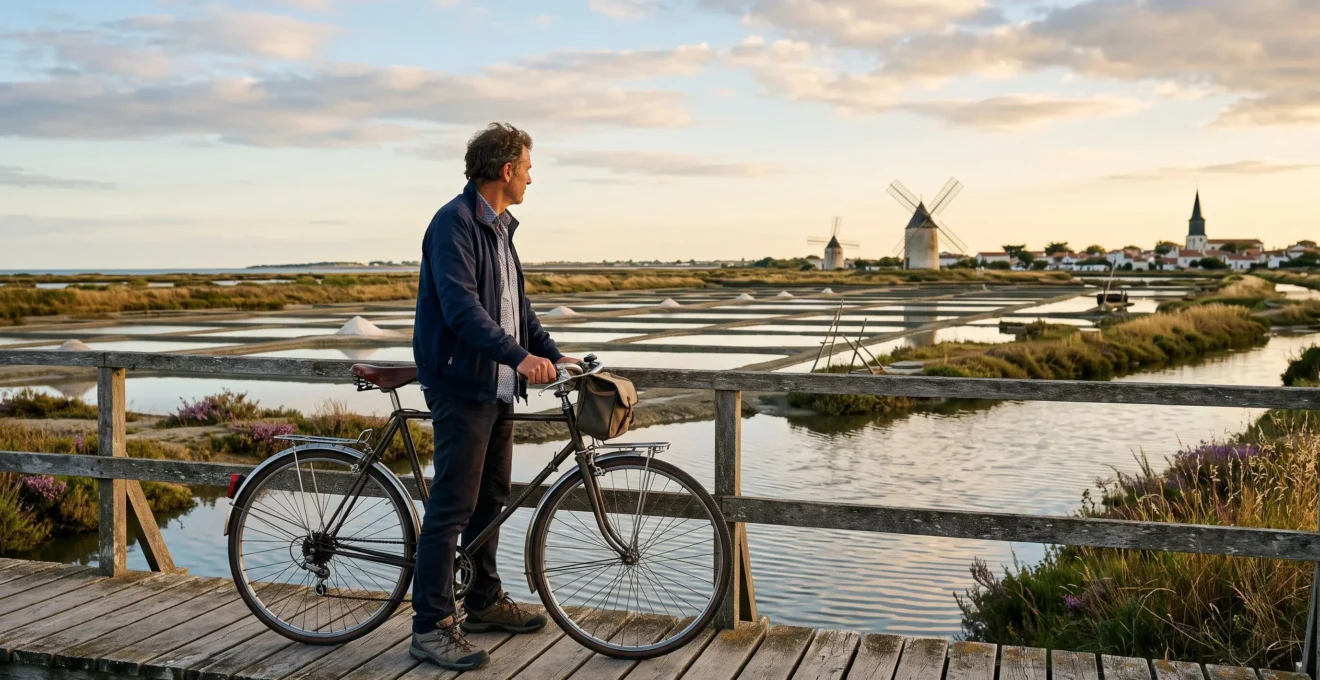
If you’re travelling as a mixed-ability group, this is the day to agree a “no-pressure pace”: ride together, stop for photos, and plan a clear meet-up point if anyone wants a longer loop.
Day 5: Choose one “bigger ride” day and keep the afternoon empty
Make day 5 your longer cycling day—one bigger loop that links a couple of villages and a beach stop. The key is what comes after: don’t stack an “activity” on top. Plan to be back mid-to-late afternoon, shower, and go out for an easy dinner.
This structure is what keeps a week from feeling like a tour: one bigger effort, then recovery time built in.
Day 6: Your wildcard day (weather swap, favourites replay, or pure beach)
Keep day 6 intentionally open, because it’s the day you’ll use to fix whatever didn’t work earlier: maybe a beach was too windy, maybe a village felt too busy, maybe you found a quiet spot you want to repeat.
It’s also the best day to do something that doesn’t fit neatly into an itinerary: a long lunch, a lazy morning, or a short ride that ends early.
Day 7: Slow morning, last coffee, and leave without stress
On the last day, don’t plan a “final big thing”. Pack, do a short walk or café stop near your base, and leave a buffer for the bridge and travel home. If you’ve cycled most days, your week will already feel full.
How should the seven days be split between villages, beaches and cycling? Aim for 3 “ride & explore” days, 2 beach-first days, 1 slower nature day (salt marsh mood), and 1 flexible day you can move around depending on weather and energy.
Is a bike enough to get around, or is a car necessary?
For many visitors, a bike is enough for day-to-day exploring if you base yourself near a village centre and plan by area. A car helps mainly for arrival/departure logistics, very young children, or if you expect to carry lots of gear. The official Île de Ré tourist office notes bike hire points exist in all ten villages, which makes a bike-based week easier to organise.
When is the best time to visit the island?
The “best” time depends on whether you prefer a lively peak-season atmosphere or a calmer feel in shoulder periods. France 3 Nouvelle-Aquitaine highlights how summer population can be dramatically higher than the rest of the year, which is a good proxy for how different the experience can feel.
Which village is best to base yourself in for a week?
There isn’t one universal best village. Choose based on your daily rhythm: a port-style base if you want easy evenings out, a quieter beach-oriented base if you want early nights and simple mornings, or a convenience-first base near shops if you’re travelling as a family and want flexibility.
How do I plan a week on Île de Ré without a car?
Pick one base village, hire bikes early in busy periods, and group days by zone so you don’t criss-cross the island. Build in one flexible day for weather swaps, and keep your arrival/departure days light so you’re not fighting timetables.
Planning Your Next Holiday Home Stay?
If you plan your base and organise days by area, one week on Île de Ré becomes simple: you cycle more, you drive less, and you still have time for beaches and slow lunches. The only “must” is to keep the rhythm realistic—especially in busy weeks when the island fills up.
If you’re aiming for peak season, booking earlier (accommodation and bikes) is usually the difference between a calm plan and a last-minute scramble. Wherever you stay, keep day 6 flexible: it’s your built-in safety net for wind, crowds, or a place you want to see twice.